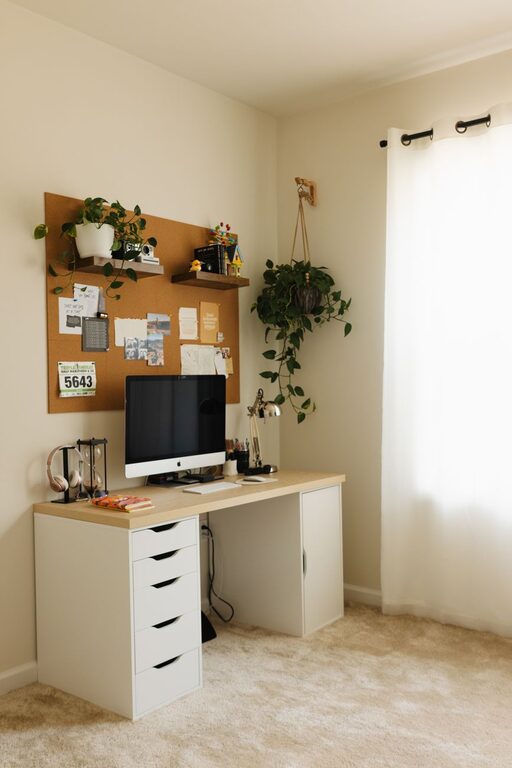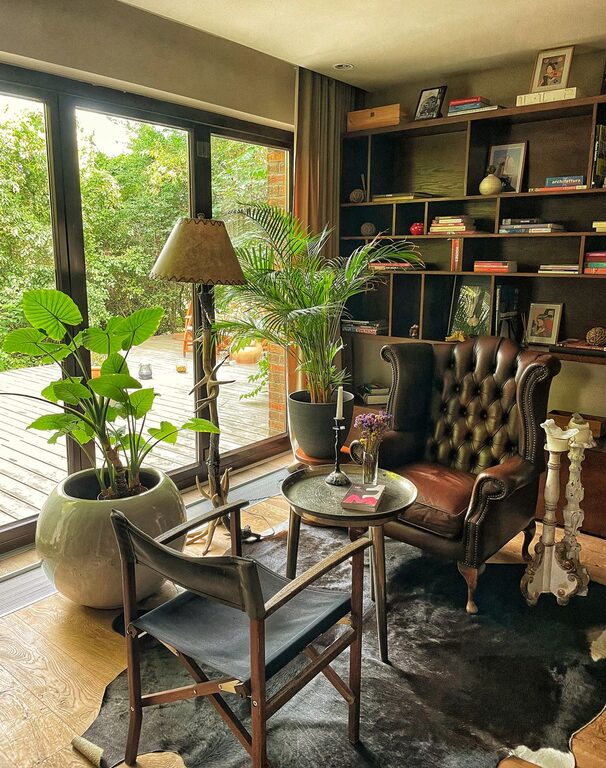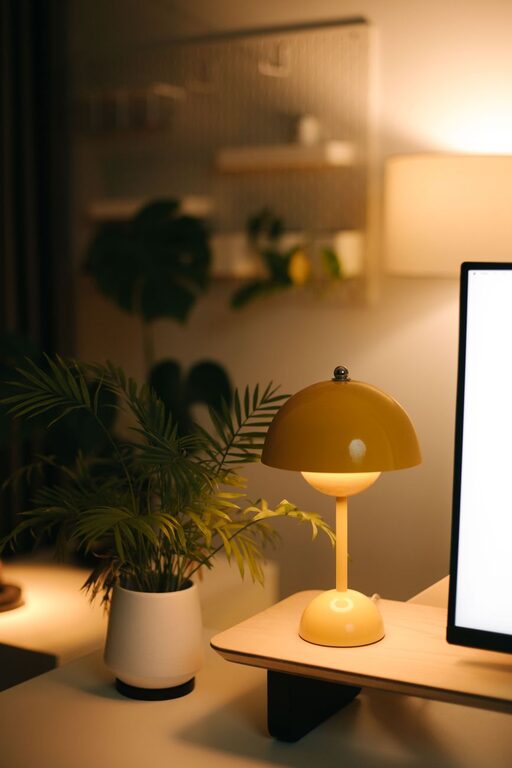

Creating a productive home workspace is key to staying focused and efficient, especially as more people work remotely. A well-organized area not only helps reduce distractions but can also improve your overall work experience. Whether you have a dedicated room or a small corner, these tips will help you set up an effective workspace tailored to your needs.
Choose the Right Location
Consider Natural Light and Noise Levels
Select a spot in your home with plenty of natural light. Adequate lighting helps reduce eye strain and keeps you feeling energized. Also, consider noise levels—try to find a quiet space away from daily household distractions like the TV or kitchen.
Accessibility and Comfort
Your workspace should be easy to access and free from frequent interruptions. It’s best if it’s separate from areas used for relaxation or socializing, helping you mentally switch into work mode.
Invest in Comfortable and Functional Furniture
Ergonomic Chair and Desk
A comfortable, adjustable chair that supports your back is essential. Pair it with a desk at the right height to maintain good posture and avoid strain over long hours.
Desk Size and Layout
Choose a desk large enough to accommodate your computer, essential tools, and any paperwork or materials you need. Keep it uncluttered to maintain focus.
Organize Your Supplies and Equipment
Use Storage Solutions
Keep your workspace tidy with drawers, shelves, or organizers. Use labeled containers or trays for pens, chargers, and other small items to avoid clutter.
Minimalism is Key
Try to keep only frequently used items on your desk. Store less essential items elsewhere to reduce distractions and create a clean environment.
Set Up Technology Efficiently
Reliable Internet and Power Sources
Ensure your workspace has strong internet connectivity and enough power outlets. Consider using cable organizers to keep cords neat and avoid tangled wires.
Proper Screen Placement
Position your monitor so that the top of the screen is at eye level. This setup helps prevent neck and eye strain during long work sessions.
Personalize Your Space Thoughtfully
Add Inspiring Elements
Incorporate a few personal touches like photos, plants, or artwork to make your workspace inviting. Plants, in particular, can improve air quality and boost mood.
Avoid Overdecorating
While personalization is good, too many items can distract. Aim for a balance that promotes comfort without clutter.
Establish Healthy Work Habits
Create a Routine
Set specific work hours and take regular breaks to maintain productivity. Having a consistent routine helps your brain associate the workspace with work time.
Keep Hydrated and Take Breaks
Place a water bottle nearby and remember to stand up or stretch every hour. Movement supports energy and focus.
Maintain Your Workspace Regularly
Daily Tidy-Up
Spend a few minutes at the end of each day to clear your desk and organize papers. This habit makes the next workday more inviting and less stressful.
Periodic Deep Cleaning
Once a week or month, do a deeper clean of your workspace. Dust surfaces, clean your equipment, and check that everything is in good working order.
Conclusion
Designing a productive home workspace doesn’t require a large investment or complicated setup. The key is to choose a quiet, well-lit area, invest in comfortable furniture, keep your space organized, and personalize it just enough to make you feel motivated. Combine these tips with regular healthy work habits, and your home office will become a place where you can thrive and accomplish your goals with ease.
About the Author