Creating a relaxing home workspace can be a game changer for your productivity and overall well-being. When your work area feels calm and inviting, you’re more likely to stay focused, reduce stress, and enjoy your tasks. Whether you work remotely full-time or need a quiet spot for occasional tasks, setting up a workspace that promotes relaxation without sacrificing functionality is essential.
In this post, we’ll explore practical tips to help you design a home office that balances comfort and efficiency, making your workdays smoother and more enjoyable.
Why a Relaxing Workspace Matters
A dedicated workspace that feels relaxing helps your mind associate the area with work and focus, rather than distraction or stress. This mental separation can improve concentration and reduce burnout. Also, a calm environment lowers anxiety, making it easier to tackle your to-do list.
Now, let’s look at the key elements for creating a workspace that supports both relaxation and productivity.
Choose the Right Location
Find a Quiet Spot
Select a space away from busy household areas if possible. A quiet corner or spare room minimizes interruptions and noise, helping you stay on track.
Consider Natural Light
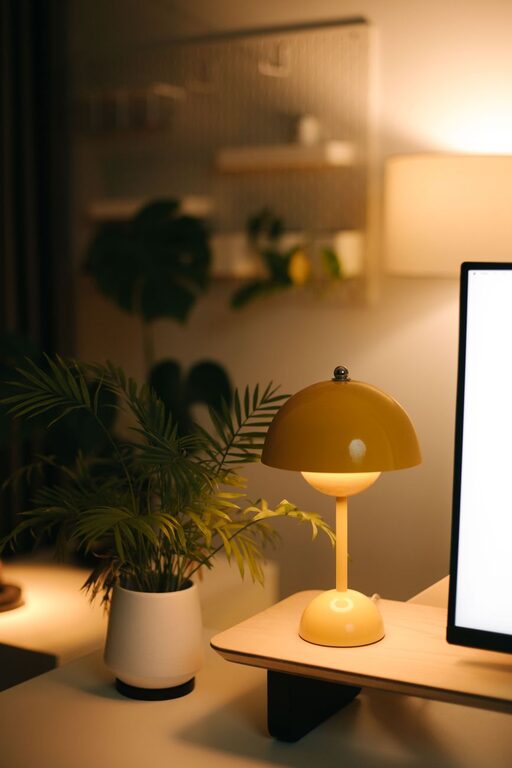
Natural light improves mood and energy. Position your desk near a window if you can. If not, supplement with full-spectrum lighting that mimics daylight.
Invest in Comfortable Furniture
Ergonomic Chair
Invest in a chair with good lumbar support and adjustable height. Comfort reduces physical strain and keeps you alert during long working sessions.
Spacious Desk
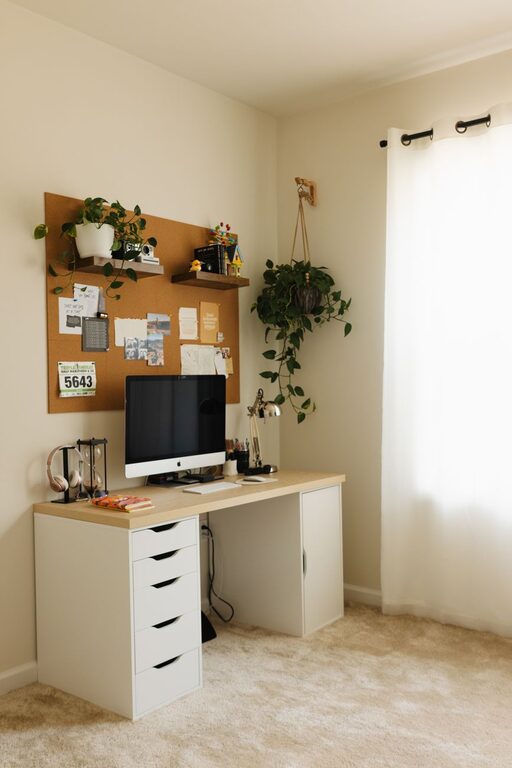
Choose a desk that fits your work essentials without feeling cramped. A clutter-free surface helps maintain a calm mindset.
Add Soothing Colors and Decor
Soft Color Palette
Use calming colors like soft blues, greens, or neutral tones for walls and decor. These hues reduce stress and create a peaceful atmosphere.
Personal Touches
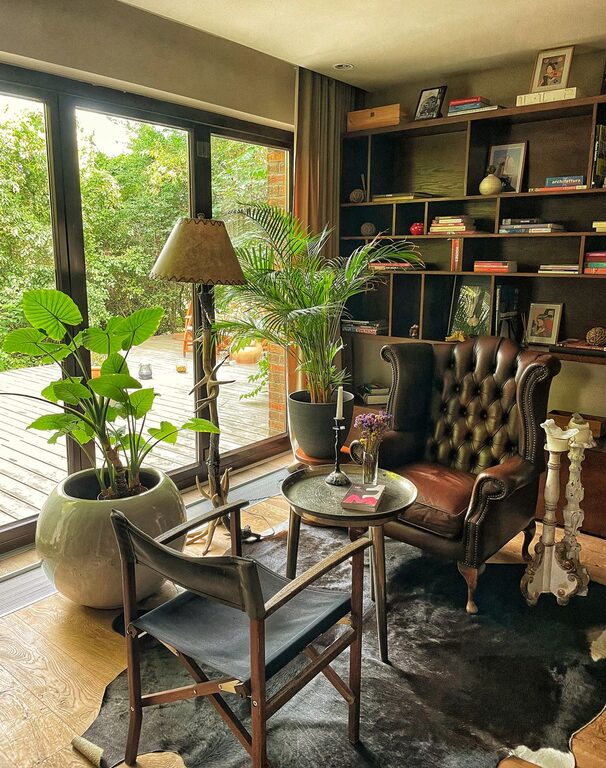
Add simple decorations such as plants, artwork, or family photos. Plants in particular improve air quality and provide a natural calming effect.
Organize for Clarity
Declutter Regularly
Keep only what you need on your desk. Too many items can be distracting and increase anxiety.
Use Storage Solutions
Use shelves, drawers, or organizers to keep supplies tidy and out of sight. A clean space supports a clear mind.
Control Noise and Distractions
Use Noise-Canceling Options
If noise is unavoidable, consider noise-canceling headphones or white noise machines to help you focus.
Set Boundaries
Communicate your work hours and workspace rules to family or roommates to limit interruptions.
Incorporate Relaxation Techniques
Take Breaks
Schedule brief breaks to stretch, breathe deeply, or meditate. This practice refreshes your focus and lowers tension.
Include Comfort Items
Keep a cozy blanket, stress ball, or scented candles nearby to help you relax during challenging moments.
Utilize Technology Wisely
Cable Management
Keep cords organized to prevent a chaotic look.
Adjust Screen Settings
Reduce eye strain by adjusting your screen brightness and using blue light filters during evening hours.
Maintain Good Air Quality and Temperature
Ventilation
Ensure your workspace is well-ventilated. Fresh air improves concentration and reduces fatigue.
Comfortable Temperature
Keep the room at a comfortable temperature—not too hot or cold—to stay focused.
Final Thoughts
Designing a relaxing home workspace takes intentional choices, but the benefits are well worth the effort. A serene workspace can enhance your productivity, reduce stress, and make the workday more pleasant. Start small by improving one aspect at a time and notice how your focus and mood improve. With the right setup, your home office can become a productive sanctuary tailored just for you!
About the Author