Creating a cozy and functional home office space is essential for anyone working remotely or pursuing personal projects at home. A well-designed office can boost productivity, reduce stress, and make your workday more enjoyable. Whether you have a dedicated room or just a small corner, there are plenty of ways to design a workspace that feels comfortable and meets your needs.
Why a Cozy and Functional Home Office Matters
The home office has become more than just a place to work; it’s a space where creativity and focus come together. Making it cozy ensures you feel relaxed and happy spending time there, while functionality helps you stay organized and efficient. When these elements are balanced, your workspace can truly support your work goals and well-being.
Choosing the Right Location
Find a Quiet Space
Start by selecting a quiet spot away from distractions like the TV or the main traffic areas in your home. A quieter area reduces interruptions, helping you focus better.
Consider Natural Light
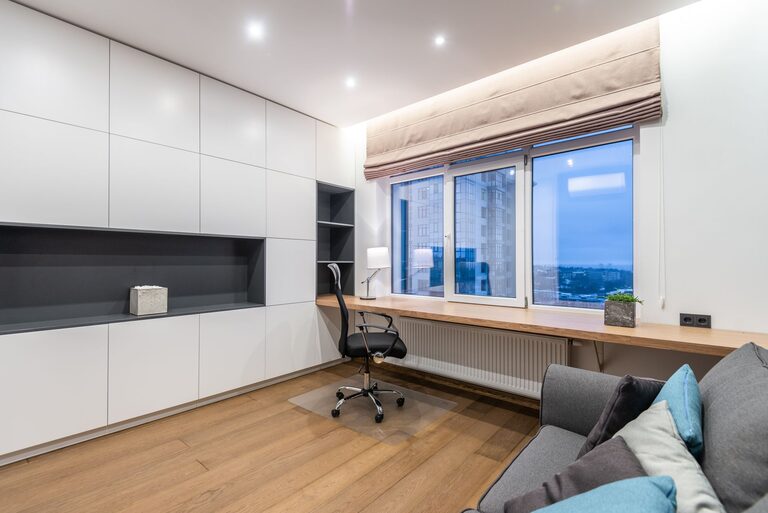
Set up your desk near a window to take advantage of natural light. It brightens the space and helps regulate your body clock, making you feel more alert and positive throughout the day.
Assess Space and Layout
Even if space is limited, think about how you can use it wisely. A corner, a nook under the stairs, or a section of the living room can be transformed into a workable office area.
Creating Comfort with Furniture and Decor
Invest in an Ergonomic Chair
Comfort begins with your chair. Invest in an ergonomic chair that supports your back properly. This reduces strain and helps maintain good posture during long work sessions.
Choose a Suitable Desk
Your desk should be the right height and size for your work. If you have limited space, a wall-mounted or foldable desk can be a great option.
Add Cozy Textiles
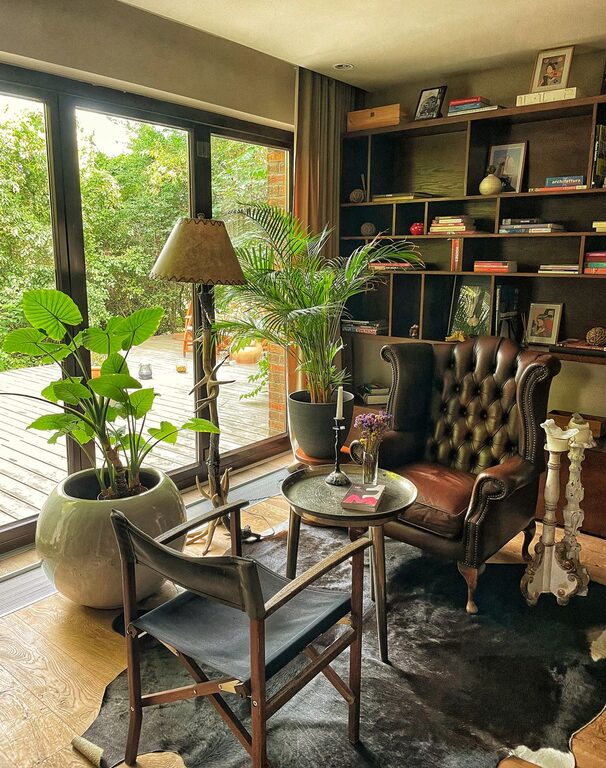
Include soft elements like a plush rug, cozy throw blankets, or cushions. These items make your office inviting and warm, making work feel less like a chore.
Personalize Your Space
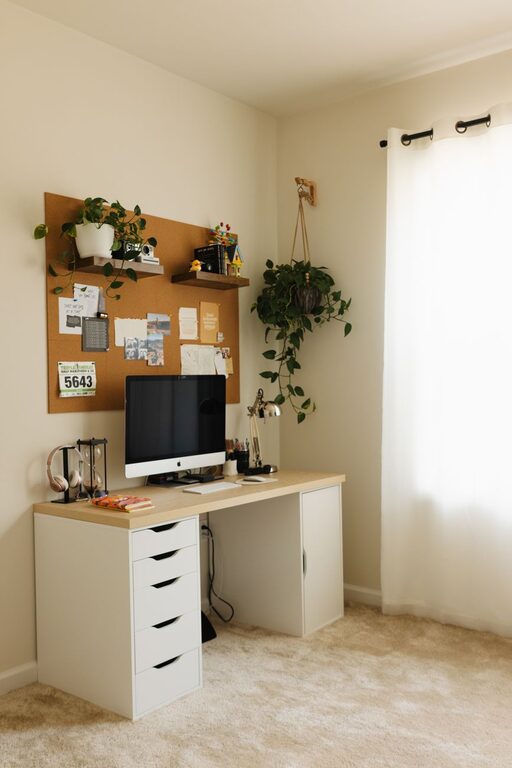
Decorate with items that inspire you such as artwork, photos, or plants. Adding personal touches can improve your mood and creativity.
Organizing for Efficiency
Use Storage Solutions
Keep your desk clutter-free by using storage options like shelves, drawers, or organizers. This helps you find what you need quickly and keeps your space tidy.
Implement Cable Management
Tangled cables can be distracting and messy. Use cable clips, sleeves, or boxes to keep wires neatly in place.
Maintain Essential Supplies Nearby
Keep frequently used items like pens, notebooks, and chargers within easy reach to avoid unnecessary interruptions.
Lighting and Ambiance
Combine Natural and Artificial Light
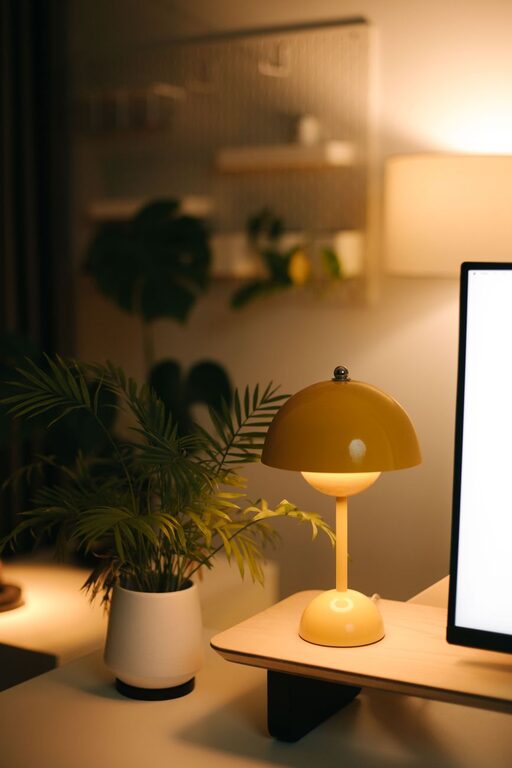
In addition to natural light, layer your lighting with desk lamps and ceiling lights. Use warm-toned bulbs to create a cozy atmosphere, especially during darker hours.
Control Glare and Eye Strain
Position your computer screen to avoid glare from windows and lights. Adjustable blinds or curtains can help control the amount of sunlight entering the room.
Incorporating Technology Wisely
Choose the Right Equipment
Use technology that fits your needs without overcrowding the workspace. A good quality monitor, keyboard, and mouse can enhance comfort and productivity.
Create a Distraction-Free Environment
Minimize notifications and keep only essential devices on your desk. This reduces distractions and helps you stay focused.
Encouraging Movement and Breaks
Plan for Break Areas
If possible, have a comfortable chair or small lounge area nearby to encourage short breaks. This helps refresh your mind during the workday.
Include Space for Stretching
Leave enough floor space to stand up, stretch, or do light exercise. Moving regularly can reduce fatigue and boost concentration.
Final Thoughts
Designing a cozy and functional home office doesn’t require a large budget or extra rooms. By focusing on comfort, organization, lighting, and your unique work habits, you can create a space that supports your productivity and well-being. Take your time customizing your office, and remember that small changes can make a big difference in how you feel while working from home.
About the Author