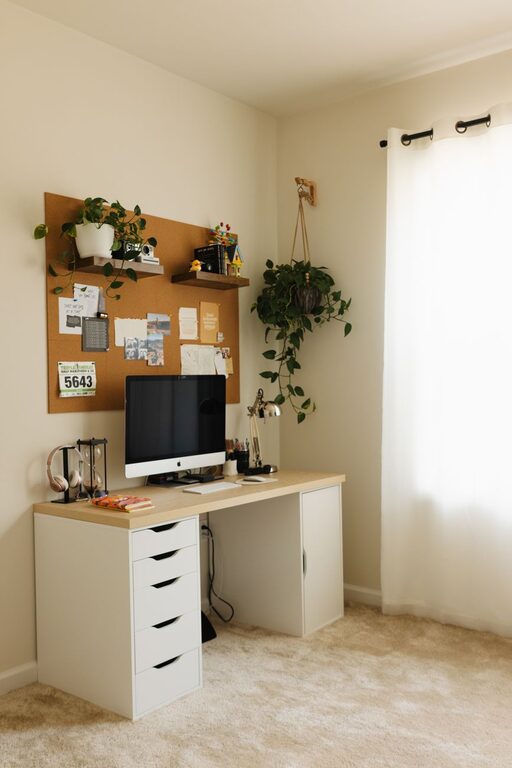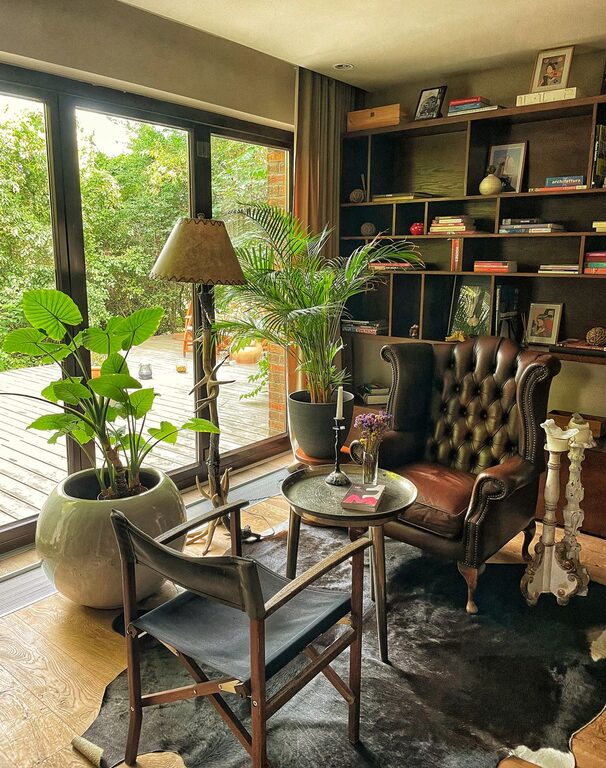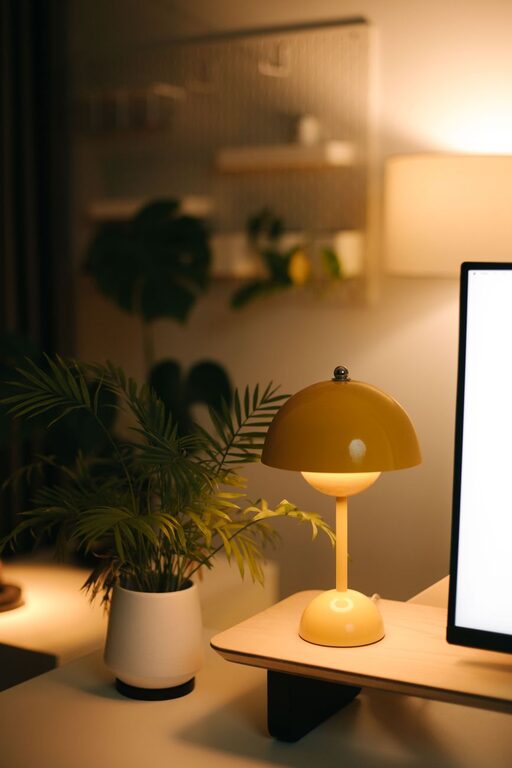
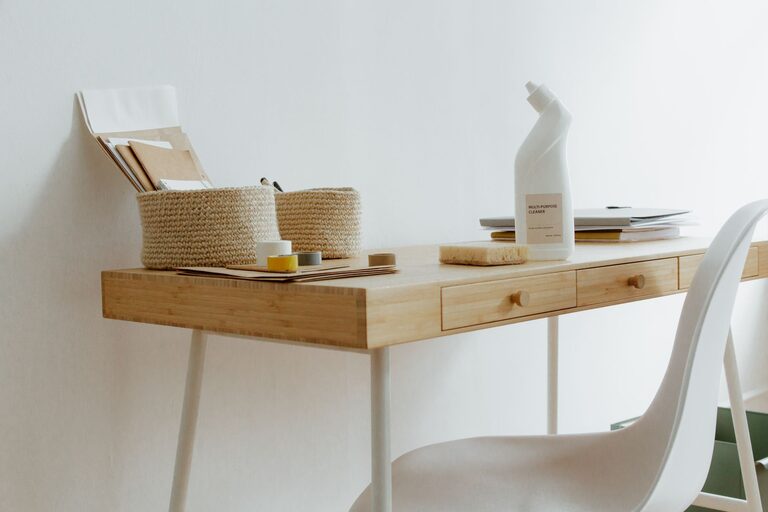
Creating a productive home office space is essential for anyone who works remotely or spends significant time managing tasks from home. An organized workspace not only helps increase focus and efficiency but also promotes a healthy work-life balance. Whether you have a dedicated room or just a small corner, these tips will help you design a home office that maximizes productivity and comfort.
Choose the Right Location
The first step in organizing a productive home office is to select an appropriate location. If possible, pick a spot with natural light and minimal distractions. Ideally, this area should be quiet and separate from high-traffic spaces in your home.
– Natural Light: Exposure to daylight improves mood and energy levels.
– Privacy: A quiet corner helps reduce interruptions.
– Comfortable Environment: Consider the temperature and ventilation when choosing your spot.
Invest in Ergonomic Furniture
Your comfort during working hours has a direct impact on your productivity. Investing in ergonomic furniture helps reduce strain and fatigue.
– Chair: Use an adjustable chair with good lumbar support.
– Desk: Choose a desk at a comfortable height, or consider a standing desk to add variety.
– Monitor Placement: Position your monitor eye-level to prevent neck strain.
Organize Your Desk Essentials
A cluttered desk can lead to a cluttered mind. Keep only the necessary items on your desk to maintain focus.
– Daily Use Items: Limit these to your computer, notebook, pen, and maybe a lamp.
– Storage: Use drawer organizers for small items like paper clips and chargers.
– Cable Management: Use clips or tubing to keep cables neat and out of the way.
Use Storage Solutions
Good storage is key to keeping your office organized and tidy.
– Shelving: Install shelves to hold books, files, and decor.
– File Organizers: Use folders or filing cabinets for paperwork.
– Baskets or Boxes: Store miscellaneous items in labeled containers to reduce visual clutter.
Create Zones for Different Tasks
If space allows, divide your home office into areas for specific activities.
– Work Zone: Your primary desk area with your computer and task-related items.
– Reference Zone: Where books, manuals, or binders are kept.
– Relaxation Zone: A small corner with a chair or cushions where you can take breaks or brainstorm.
Optimize Lighting
Proper lighting reduces eye strain and keeps you energized during work hours.
– Task Lighting: Use a desk lamp with adjustable brightness for focused work.
– Ambient Lighting: Combine natural light with overhead fixtures to create a well-lit space.
– Avoid Glare: Position screens to avoid reflections from windows or lights.
Personalize Your Space Mindfully
Adding personal touches can make your office inviting but avoid overcrowding it with too many decorations.
– Plants: Small plants improve air quality and add a fresh feel.
– Artwork: Choose inspiring images or quotes that uplift your mood.
– Colors: Use calming colors such as blue or green to support concentration.
Establish a Routine for Tidying Up
Maintaining organization takes ongoing effort. Set daily or weekly routines for tidying your workspace.
– End-of-Day Cleanup: Clear your desk and put away items before finishing work.
– Weekly Review: Reorganize files, remove trash, and wipe surfaces to keep your office fresh.
– Digital Organization: Regularly declutter your computer desktop and folders.
Minimize Distractions
To stay productive, minimize interruptions in your home office.
– Turn Off Notifications: Silence non-essential phone or app alerts during work time.
– Noise Control: Use noise-cancelling headphones or soft background music if needed.
– Boundaries: Communicate your working hours to household members to reduce disruptions.
Incorporate Technology Wisely
Technology can enhance your productivity but should be used mindfully.
– High-Speed Internet: Ensure you have fast and reliable internet.
– Useful Tools: Use apps for task management, note-taking, and video calls.
– Cable Setup: Organize cords to keep your workspace neat and safe.
Maintain Comfort and Wellness
A productive home office supports both efficiency and well-being.
– Take Breaks: Step away from your desk regularly to stretch and rest your eyes.
– Hydrate: Keep a water bottle nearby to stay hydrated.
– Exercise: Integrate light stretches or movement into your routine.
—
By thoughtfully organizing your home office space, you create an environment conducive to getting work done with less stress and more enjoyment. Small changes and consistent habits can make a big difference in your daily productivity and overall satisfaction. Start with these tips and adapt them to fit your unique needs and space.
About the Author