Creating a home workspace that is both cozy and functional can greatly enhance your productivity and overall well-being. Whether you work remotely, run a home-based business, or just need a dedicated spot for creative projects, designing an inviting and efficient area is key. Here are some practical tips to help you create a workspace that feels comfortable and supports your daily tasks.
Choose the Right Location
Finding the ideal spot in your home is the first step. Consider areas with good natural light, minimal noise, and enough space for your essentials.
– Natural Light Boosts Mood: Position your desk near a window to take advantage of natural daylight, which helps reduce eye strain and improves focus.
– Minimize Distractions: Choose a quiet corner away from heavy traffic areas like the kitchen or living room.
– Space for Movement: Make sure your workspace allows you to move comfortably without feeling cramped.
Invest in Comfortable and Ergonomic Furniture
Comfort and ergonomics are essential to maintain good posture and prevent fatigue during long work hours.
– Ergonomic Chair: Look for a chair that supports your lower back and allows your feet to rest flat on the floor.
– Adjustable Desk: A desk at the right height can make a big difference. Consider adjustable or standing desks for flexibility.
– Keyboard and Monitor Placement: Set your keyboard and screen at arm’s length and eye level to avoid strain.
Personalize Your Space
Adding personal touches can make your workspace inviting and inspire creativity.
– Colors That Calm: Use calming colors such as soft blues, greens, or neutrals to create a serene environment.
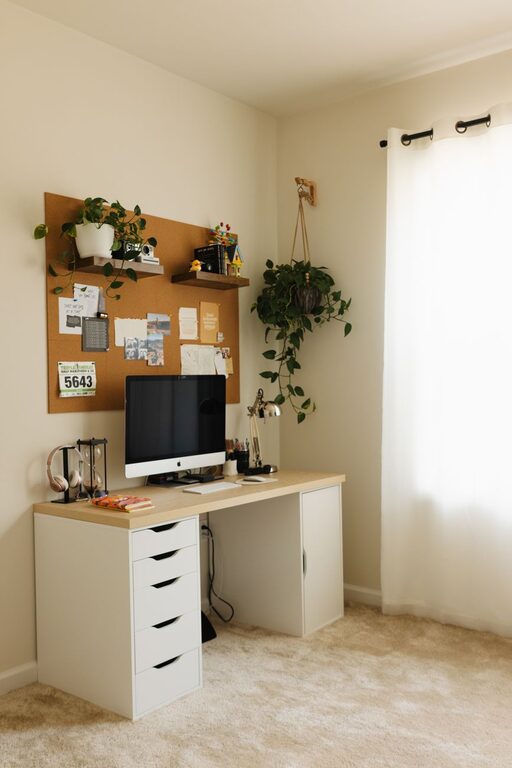
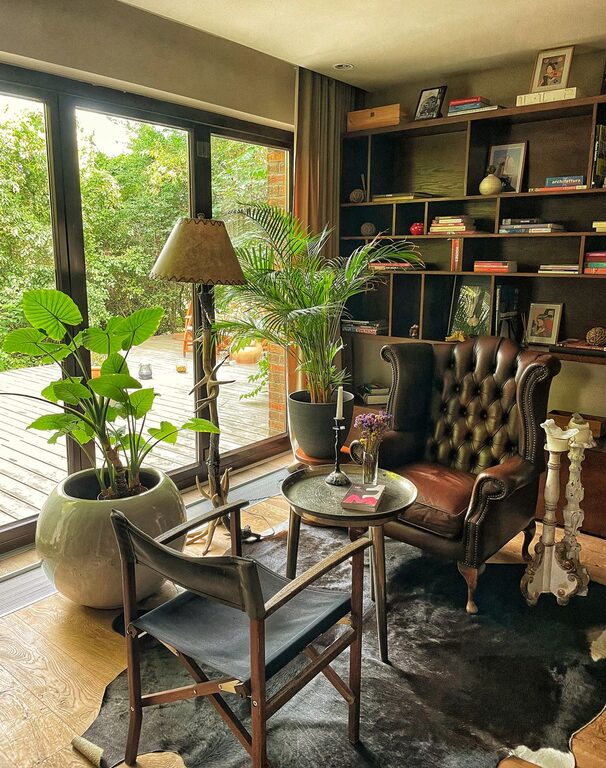
– Plants for Freshness: Indoor plants improve air quality and add a touch of nature.
– Artwork and Photos: Display images that motivate or make you happy without cluttering your wall.
Organize for Efficiency
A well-organized workspace helps you find what you need quickly and stay focused.
– Declutter Regularly: Clear unnecessary items to keep your desk surface tidy.
– Storage Solutions: Use shelves, filing cabinets, or storage boxes to keep documents and supplies organized.
– Cable Management: Use cable clips or sleeves to keep wires under control and prevent tangled messes.
Optimize Lighting
Good lighting is crucial, especially if you work during evening hours or in spaces with limited windows.
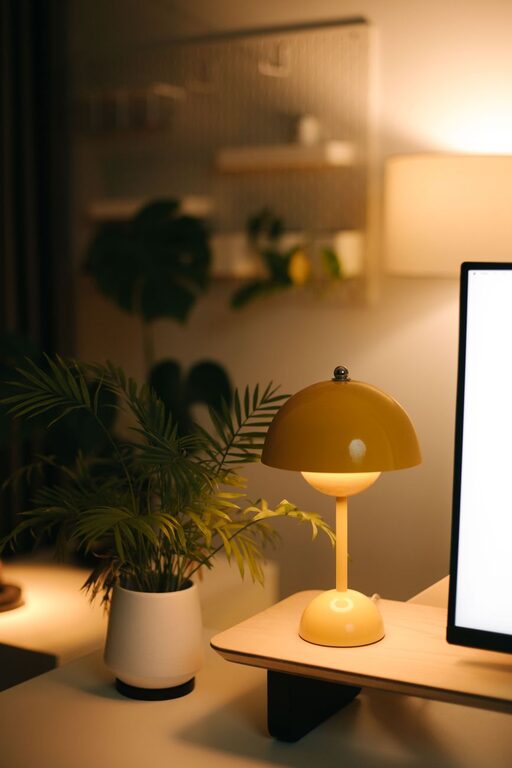
– Task Lighting: A desk lamp with adjustable brightness helps when focusing on paperwork or typing.
– Avoid Glare: Position screens and lights to reduce glare on monitors.
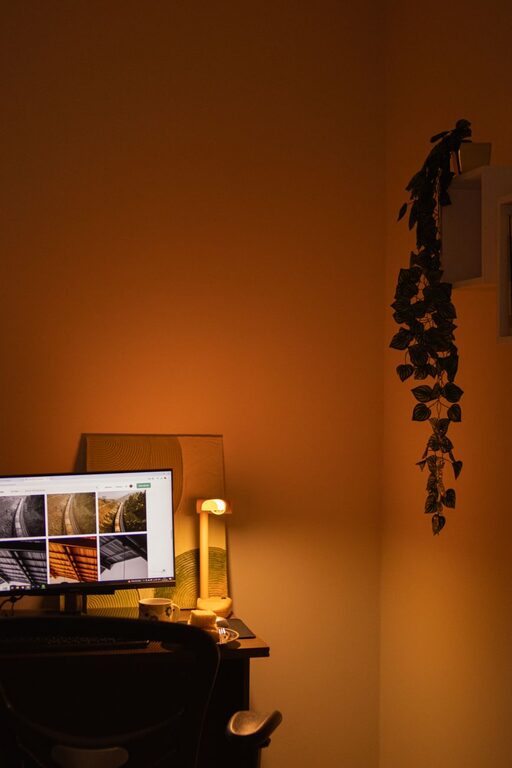
– Soft Overhead Lighting: Use warm, diffused lighting to create a comfortable atmosphere.
Establish Boundaries for Work and Relaxation
Separating work from personal life is important, especially when your workspace is at home.
– Defined Workspace: Dedicate one specific area as your “office” to help your brain associate it with work.
– Visual Barriers: Use room dividers or curtains if your workspace is in a larger room.
– End-of-Day Ritual: Create a routine to “close” your workspace, like turning off your computer or tidying your desk.
Incorporate Technology Mindfully
Technology is necessary but can also distract if not managed well.
– Essential Devices Only: Keep only the technology you need for work on your desk to reduce clutter.
– Monitor Stands: Elevate your screen to eye level for better posture.
– Headphones: Use noise-cancelling headphones if background noise is an issue.
Add Comfort Features
Small enhancements can make your workspace feel cozy and welcoming.
– Soft Textiles: A comfortable chair cushion or a small throw blanket can add warmth.
– Aromatherapy: Use subtle scents like lavender or eucalyptus to create a calming ambiance.
– Temperature Control: A small fan or heater can help maintain a comfortable temperature without affecting the whole house.
Keep it Flexible
Your needs may change, so design your workspace to adapt.
– Mobile Furniture: Use rolling carts or lightweight desks that can be moved easily.
– Multi-Purpose Areas: Incorporate seating that doubles as storage or a small table for notes.
– Rotating Decor: Change up your art or plants seasonally to refresh the space.
—
By combining these tips, you can build a home workspace that feels inviting and supports your work habits. Remember, the best workspace is one tailored to your personal preferences and needs, where you feel both comfortable and ready to focus. Happy decorating!
About the Author