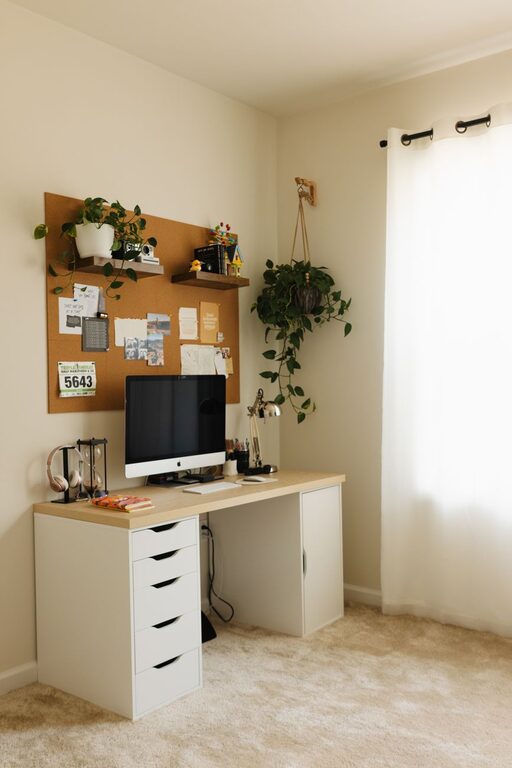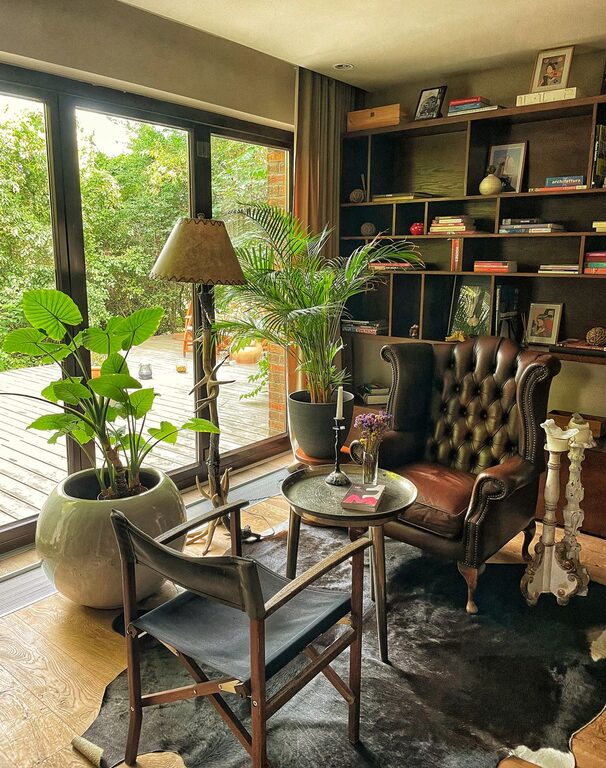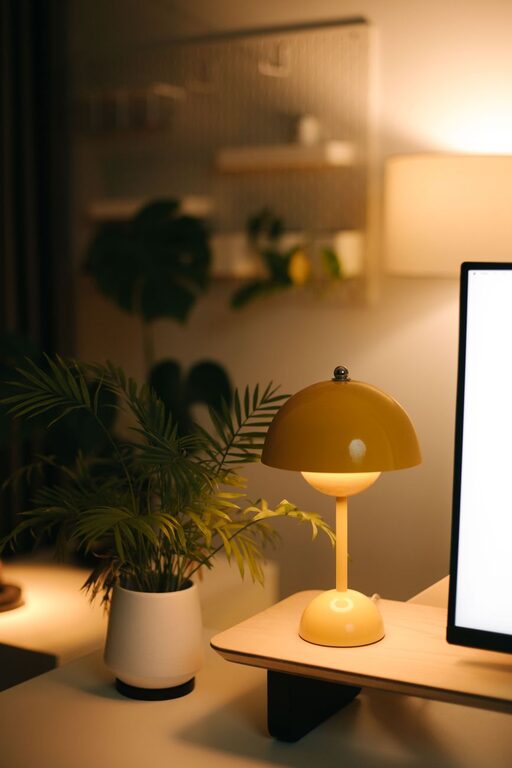

Creating a home office that feels cozy and encourages productivity is essential in today’s work-from-home culture. Whether you have a dedicated room or just a corner in your living space, setting up an efficient and comfortable workspace can make a big difference in how you work and feel throughout the day. Here are some helpful tips to design a home office that blends comfort with functionality.
Choose the Right Location
The first step in creating a cozy home office is picking the best spot. Ideally, choose a quiet area with minimal distractions. If possible, select a space that receives plenty of natural light, as this can boost mood and energy levels.
– Consider a separate room for privacy.
– Avoid high-traffic areas to minimize interruptions.
– Use a corner or nook if space is limited.
Invest in Comfortable and Supportive Furniture
Comfort is key for maintaining focus during long work hours. Your furniture should support good posture and reduce strain.
– Ergonomic chair: Choose one with adjustable height, lumbar support, and cushioning.
– Functional desk: A desk that fits your equipment and allows enough room to work comfortably.
– Standing desk options: Consider a sit-stand desk to alternate between sitting and standing for better health.
Optimize Lighting
Proper lighting can reduce eye strain and create a more inviting space. Combining different types of lighting helps balance function and ambiance.
– Maximize natural light: Position your desk near a window.
– Use task lighting: A desk lamp with adjustable brightness is great for focused work.
– Ambient lighting: Soft overhead lights or floor lamps can add warmth to the room.
Personalize Your Workspace
Adding personal touches can make your home office feel warm and inspiring. The goal is to create a space where you feel motivated and comfortable.
– Add plants: Indoor plants improve air quality and add a calming element.
– Decorate with art or photos: Choose items that inspire you without cluttering.
– Use cozy textiles: Throw blankets or cushions can add softness and warmth.
Declutter and Organize
A tidy workspace can help you stay focused and reduce stress. Organization is a major component of a productive environment.
– Use storage solutions: Shelves, drawers, and organizers keep items in place.
– Manage cords: Cable organizers prevent tangles and make your desk look neat.
– Keep only essentials on your desk: Limit distractions by removing unnecessary items.
Set Boundaries and Designate Work Times
For many, working from home blurs the line between personal and professional life. Setting clear boundaries helps improve productivity and work-life balance.
– Define work hours: Stick to a schedule to separate work time from personal time.
– Communicate boundaries: Let family members or roommates know your work hours.
– End your workday ritual: Turn off your computer, tidy your desk, or step outside to signal work is done.
Use Technology to Your Advantage
The right technology can streamline your workflow and make tasks easier.
– Reliable internet: A fast, stable connection is crucial.
– Noise-canceling headphones: Useful if you have distractions or want to listen to music.
– Multiple monitors: Increases screen space and productivity for multitasking.
Maintain Good Air Quality and Temperature
A comfortable temperature and fresh air contribute significantly to your comfort and focus.
– Ventilate your space: Open windows to circulate fresh air.
– Use a fan or heater: Adjust as needed to stay comfortable.
– Air purifiers: Consider using one if your room lacks ventilation.
Incorporate Break Areas
Taking regular breaks improves overall productivity. If possible, create a small space nearby for short breaks.
– Comfortable chair or small sofa: For quick relaxation away from your desk.
– Mindfulness corner: Add items like a yoga mat or meditation cushion.
– Refreshment station: Keep a water bottle or tea supplies handy.
Final Thoughts
Designing a cozy and productive home office takes some planning, but the benefits are well worth it. Focus on comfort, good organization, and personalization to create a space where you can thrive. Remember, small changes can make a big impact. Start with one or two tips and gradually build a workspace that suits your needs perfectly. Happy working!
About the Author