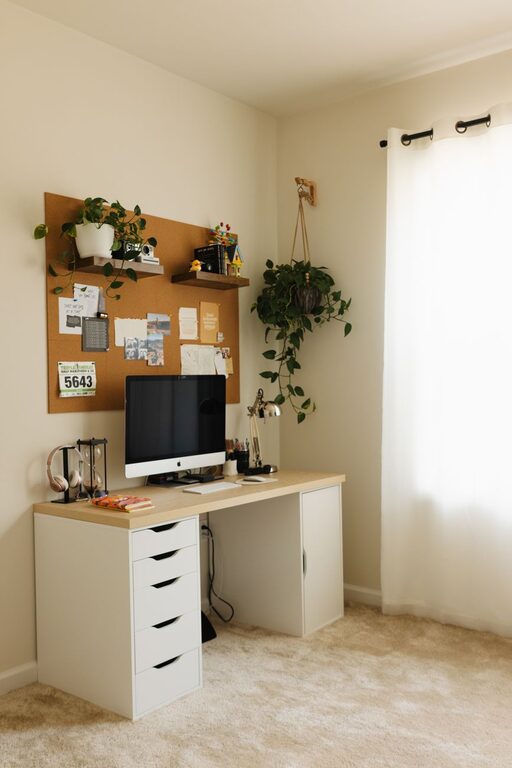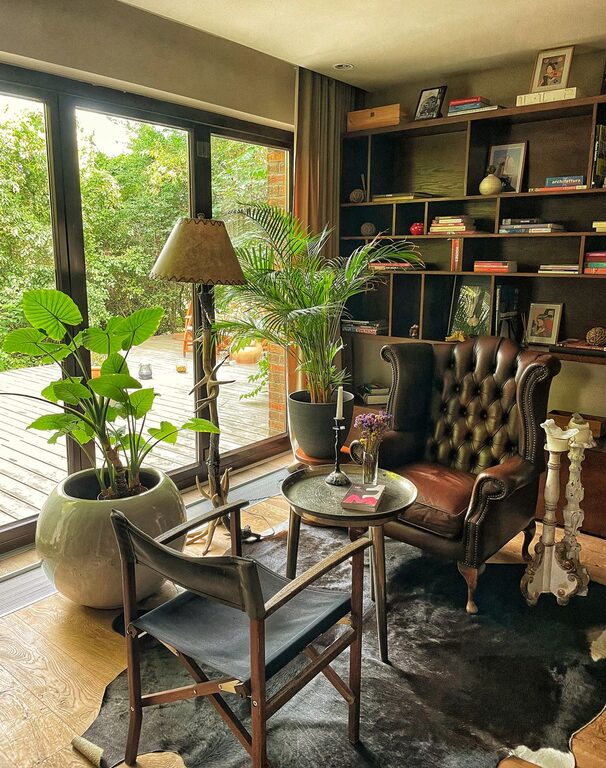
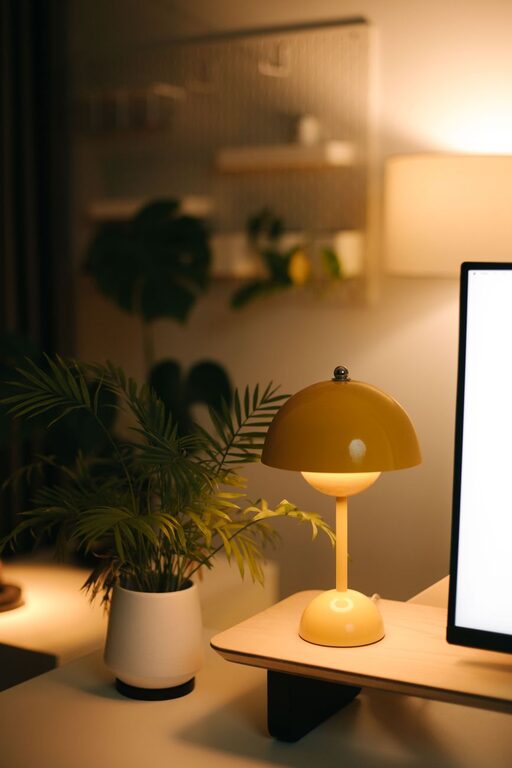
Creating a cozy and inviting home office is essential for maintaining focus, comfort, and motivation throughout the workday. Whether you work remotely full-time or occasionally need a quiet space to concentrate, a well-designed home office can make all the difference. Here are some practical tips to help you design a workspace that you’ll enjoy spending time in.
Choose the Right Location
Finding the perfect spot for your home office is the foundation of creating a cozy and inviting space.
– Natural Light: Select a room or corner with plenty of natural light. Exposure to daylight can improve your mood and productivity.
– Minimal Distractions: Ideally, choose a quiet area away from the main traffic of your home.
– Adequate Space: Make sure there’s enough room for your desk, chair, and any storage or equipment you might need.
If space is limited, even a small nook or a section of the living room can be transformed into a functional office with the right setup.
Invest in Comfortable and Functional Furniture
Your furniture choices directly affect your comfort and efficiency.
– Ergonomic Chair: A supportive chair designed for long hours will reduce strain on your back and neck.
– Desk Size: Pick a desk with enough surface area for your computer, notebook, and other essentials.
– Storage Options: Shelves, drawers, or filing cabinets keep your workspace clutter-free and organized.
Consider furniture that matches your style but prioritizes comfort and practicality above all.
Personalize Your Space with Warm Colors and Textures
Color and texture set the tone of your office and help create a welcoming environment.
– Warm Colors: Soft neutrals, muted greens, blues, or warm earth tones are soothing and inviting.
– Textile Elements: Add cozy rugs, cushions, or curtains to soften the room and add visual interest.
– Wall Art and Decor: Personal touches like framed photos, artwork, or inspirational quotes can make your space feel like your own.
Keep your color palette consistent for a harmonious look, but don’t hesitate to include a few accent pieces that reflect your personality.
Optimize Lighting for Comfort and Focus
Good lighting balances functionality and ambiance.
– Task Lighting: A desk lamp with adjustable brightness helps reduce eye strain during focused work.
– Ambient Lighting: Soft overhead lights or floor lamps create a warm atmosphere without glare.
– Natural Light Control: Use blinds or curtains to control sunlight and reduce screen glare.
Layering different types of light allows you to adjust your environment based on the time of day and the task at hand.
Organize with Purpose
An organized office encourages clarity and productivity.
– Declutter Regularly: Keep only items you use daily on your desk.
– Use Organizers: Desk trays, pen holders, and cable management tools keep your workspace tidy.
– Incorporate Vertical Storage: Utilize wall-mounted shelves or pegboards to free up desk space.
Clear organization systems reduce stress and make it easier to find what you need quickly.
Add Greenery for a Touch of Nature
Plants bring life and freshness to your workspace.
– Low-Maintenance Plants: Succulents, snake plants, or pothos require minimal care while brightening your area.
– Air-Purifying Varieties: Some plants improve indoor air quality, enhancing your environment.
– Placement: Position plants near your desk or on shelves to create a natural, calming backdrop.
A bit of green can improve your mood and reduce fatigue during long work sessions.
Incorporate Comforting Extras
Small touches can make your home office a pleasant retreat.
– Soft Throws or Blankets: Perfect for chilly days or just to add warmth.
– Scented Candles or Diffusers: Light, soothing scents like lavender or chamomile can create a relaxing atmosphere.
– Music or White Noise: A small speaker or sound machine can help you focus or drown out distracting noises.
These elements contribute to a workspace that feels cozy and inviting rather than sterile or clinical.
Maintain a Healthy Work-Life Balance
Finally, creating boundaries enhances the comfort of your home office.
– Separate Work Area: Even if your workspace is part of another room, try to define its limits physically or visually.
– End-of-Day Routine: Tidy up your space and turn off devices to signal the end of work.
– Regular Breaks: Stand up, stretch, or step outside to recharge throughout the day.
A well-defined space helps you switch between work and personal time, promoting overall well-being.
—
Designing a cozy and inviting home office takes some thoughtful planning but can significantly improve your work experience. By focusing on comfort, organization, and personal touches, you create a place where you look forward to spending your day. Start with these tips, and adapt them to fit your unique needs and style. Your perfect home office is just around the corner!
About the Author