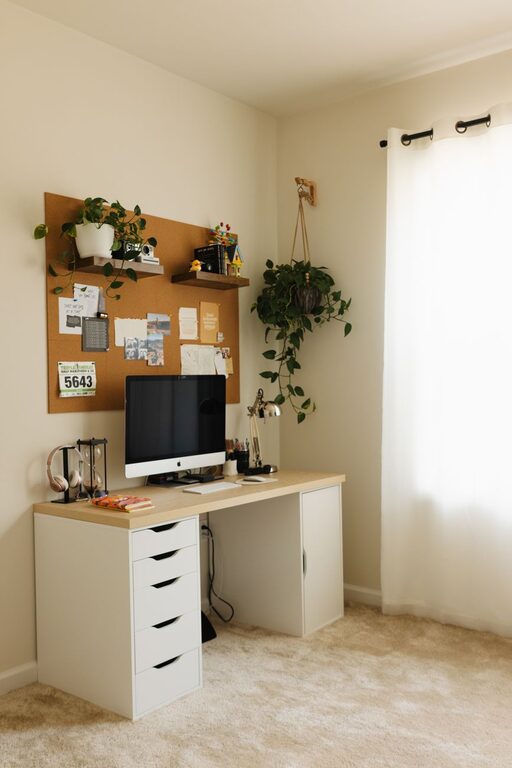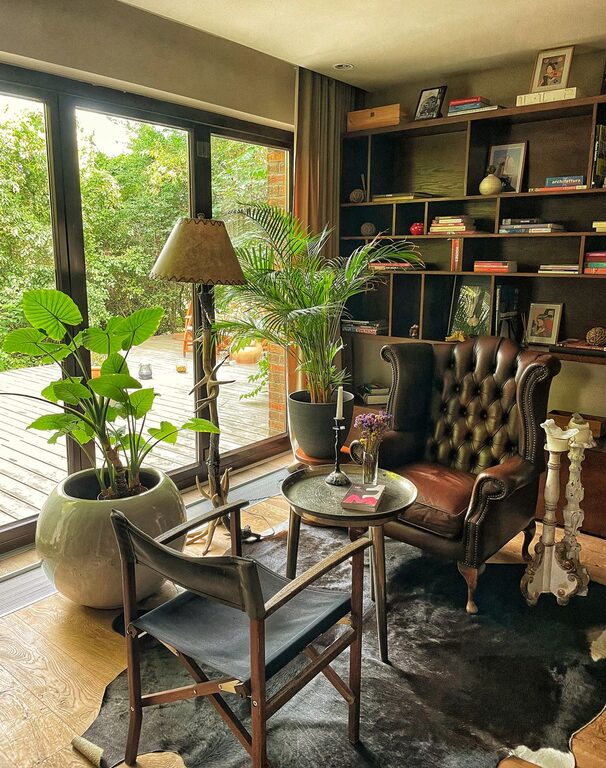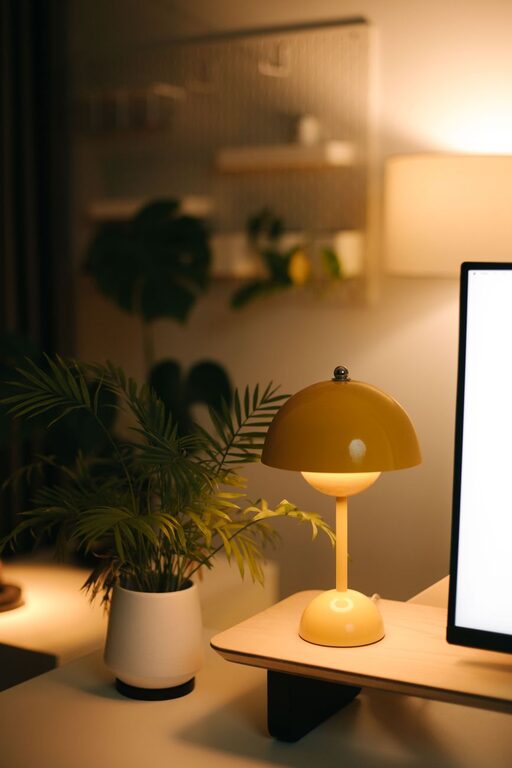
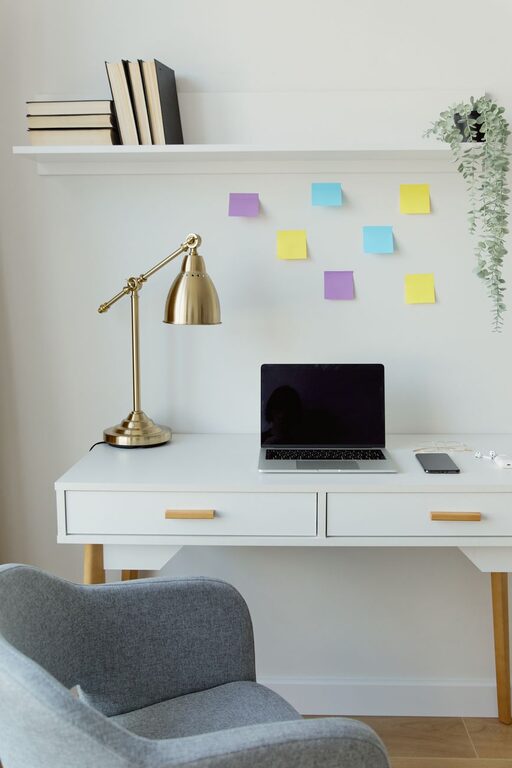
Creating a cozy yet functional home office is essential in today’s work-from-home culture. Whether you have a dedicated room or just a small corner, designing a space that inspires focus and comfort can make a big difference in your daily productivity. Here are practical tips to help you set up a home office that feels inviting and supports your work needs.
Choose the Right Location
The first step is selecting the best spot for your home office. Ideally, pick a quiet area with minimal distractions. Natural light is a big plus, so locate your desk near a window if possible. This not only brightens your space but can also boost your mood and energy.
If you don’t have a dedicated room, consider a nook or corner in your living room or bedroom. Use room dividers or shelves to create separation and define your workspace without needing a full room.
Invest in a Comfortable Desk and Chair
Comfort is key when you spend hours working at your desk. Choose a chair that supports good posture with adjustable height and lumbar support. A well-designed ergonomic chair can reduce fatigue and prevent back pain.
Your desk should have enough surface area for your computer, notebooks, and other essentials. If space is limited, opt for a compact desk with built-in storage to keep your workitems organized and your desktop clutter-free.
Prioritize Lighting
Proper lighting reduces eye strain and creates a welcoming atmosphere. Combine natural light with layered artificial lighting:
– Task lighting: A desk lamp with adjustable brightness helps when working on detailed tasks or reading.
– Ambient lighting: Use soft overhead lights or floor lamps to provide general illumination without glare.
Avoid harsh fluorescent lights and try to position screens perpendicular to windows to minimize reflections.
Personalize Your Space
Adding personal touches makes your workspace feel cozy and inviting. Consider:
– Framed photos or artwork that inspire you
– Plants to bring freshness and improve air quality
– A cozy throw blanket or cushion for added comfort
– Decorative items that reflect your style but don’t overwhelm your desk
A well-personalized space can make work feel more enjoyable and less like a chore.
Organize Efficiently
A cluttered desk can distract and reduce efficiency. Use smart storage solutions to keep supplies and documents orderly:
– Drawer organizers for pens, paperclips, and small items
– File holders or binders for important paperwork
– Shelves or wall-mounted organizers to save surface space
Labeling storage bins or files can also speed up finding what you need, keeping your workflow smooth.
Incorporate Technology Wisely
Modern work often depends on technology, so set up your devices thoughtfully:
– Position your monitor at eye level to prevent neck strain
– Use a wireless keyboard and mouse to reduce cable clutter
– Invest in a reliable internet connection and consider a backup power option
Cable management solutions like clips or sleeves help keep cords tidy and prevent tangles or accidents.
Maintain a Calm Color Palette
Color influences mood and concentration. Soft, neutral tones like light grays, beige, or pastels create a calming environment that reduces stress. You can add pops of brighter colors with accessories for energy and creativity without overwhelming the space.
Set Boundaries for Work and Relaxation
Especially when working from home, it’s crucial to mentally separate work time from personal time. Use your office space only for work-related activities if possible. At the end of your workday, shut down your computer, tidy the desk, and close the office door or create a visual cue to signify the transition.
Add Comfort with Textiles
Including soft textiles makes your office feel warm and comfortable:
– Place a small rug under or near your desk for added warmth
– Use cushions or footrests to improve seating comfort
– Consider curtains or blinds that soften light and reduce glare
These details contribute to a cozy atmosphere that encourages you to settle in and focus.
Keep It Flexible
Your needs may change over time, so design your office space to be adaptable. Use modular furniture that can be rearranged, or add a small table that can double as a standing desk. This flexibility helps you maintain productivity and comfort as your work style evolves.
—
Creating a home office that balances coziness with functionality doesn’t require a big budget or lots of space. By focusing on comfort, organization, lighting, and personalization, you can build a workspace that helps you work smarter and feel great doing it. Remember, the best home office is one tailored to your habits and preferences — don’t hesitate to experiment and adjust until it feels just right.
About the Author